

The Ultimate Guide to Remote Control Lighting and Bulbs
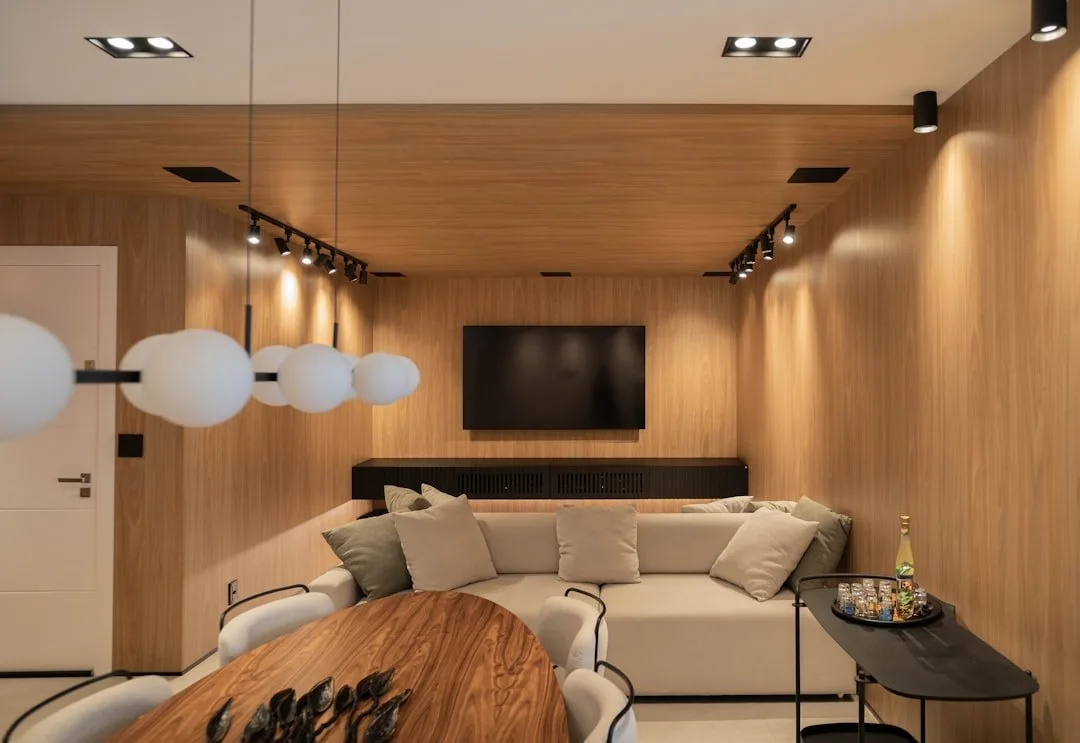
A remote control bulb lets you adjust brightness, color, or on/off state without touching a wall switch — everything from a $10 color-changing screw-in to a fully integrated luxury lighting system. Over 10,000 remote-controlled bulb listings exist on Amazon alone, spanning a wide range of technology and price.
How They Work
A remote control bulb is an LED bulb with a built-in wireless receiver that listens for signals from a transmitter — a handheld remote, wall keypad, smartphone app, or automation hub. Because these bulbs are LED-based, they use up to 85% less energy than incandescent bulbs and can last up to 25,000 hours. The main wireless protocols in use:
- Infrared (IR): the same technology as a TV remote — needs a direct line of sight, so furniture or walls in the way will block the signal.
- Radio Frequency (RF): passes through walls and doors, making it more reliable for a full room or an enclosed fixture.
- WiFi: connects directly to your home’s 2.4GHz network for app and voice control from anywhere, no separate hub needed.
- Bluetooth: local, direct control, often used for quick hub-free setup or as a fallback when WiFi is down.
- Zigbee: a low-power mesh protocol built for smart homes — bulbs relay signals to each other rather than crowding your router, extending range and improving reliability.
Types of Bulbs
Three broad categories cover most of what’s on the market. Rechargeable battery-operated bulbs screw into a standard E26 socket and run on an internal lithium-ion battery, recharging automatically once the wall switch is on — useful for fixtures without reliable wiring. WiFi smart bulbs are the standard DIY choice, offering millions of colors and scheduling without extra hardware. Zigbee bulbs, such as the Aqara LED Bulb T1, are built for stability on larger properties where WiFi congestion causes dropped connections, and each bulb acts as a signal repeater that strengthens the rest of the network.
What to Look For
- Tunable white spectrum: the ability to shift from a warm 2200 to 2700K glow to a crisp 5000 to 6500K daylight white, ideally with a high Color Rendering Index (90+ CRI) so colors in the room look accurate.
- Full RGB color range: useful for mood lighting, with some bulbs offering 16 million-plus colors and music-sync modes.
- Power-off memory: a bulb that remembers its last state instead of snapping to full brightness after a power outage — a small feature that matters a lot at 2am.
For everyday fixtures, look for a standard E26 base and at least 800 lumens, equivalent to a 60W incandescent. For scalable setups, Zigbee bulbs extend your network with every bulb added. In luxury installs, plastic handheld remotes typically give way to architectural-grade options like the Lutron Pico Paddle Remote, which mounts flush and looks like a standard switch while controlling smart bulbs wirelessly.
Installation and Common Issues
Basic installation is simple: turn off power at the switch, screw in the bulb, then leave the wall switch on — the bulb needs constant power to keep its wireless receiver active. Pairing typically involves toggling the switch a set number of times or using a companion app.
A few issues come up often. Flickering almost always traces back to installing a smart bulb behind a traditional wall dimmer — dimmers restrict voltage, which starves the bulb’s internal electronics and can permanently damage it, so keep the wall switch at full power and dim through the app, remote, or voice command instead. Poor remote range usually means an IR remote without a clear line of sight; switching to RF, Bluetooth, or WiFi solves it. Bulbs that keep dropping offline are often a sign of an overloaded router or weak signal, which is where moving to a dedicated hub-based system helps.
When a Bulb Isn’t Enough
A single remote-controlled bulb is a fine way to try the idea in one room. The friction shows up at scale — a house full of separate remotes, apps, and hubs quickly becomes more to manage than the convenience is worth. For a whole-home approach, replacing plastic remotes and wall clutter with custom-programmed keypads and coordinated scenes tends to be a more livable long-term solution. If you’re deciding where that line is for your home, we’re happy to talk it through.