

Should I Choose Lutron Wired or Wireless Lighting Control?
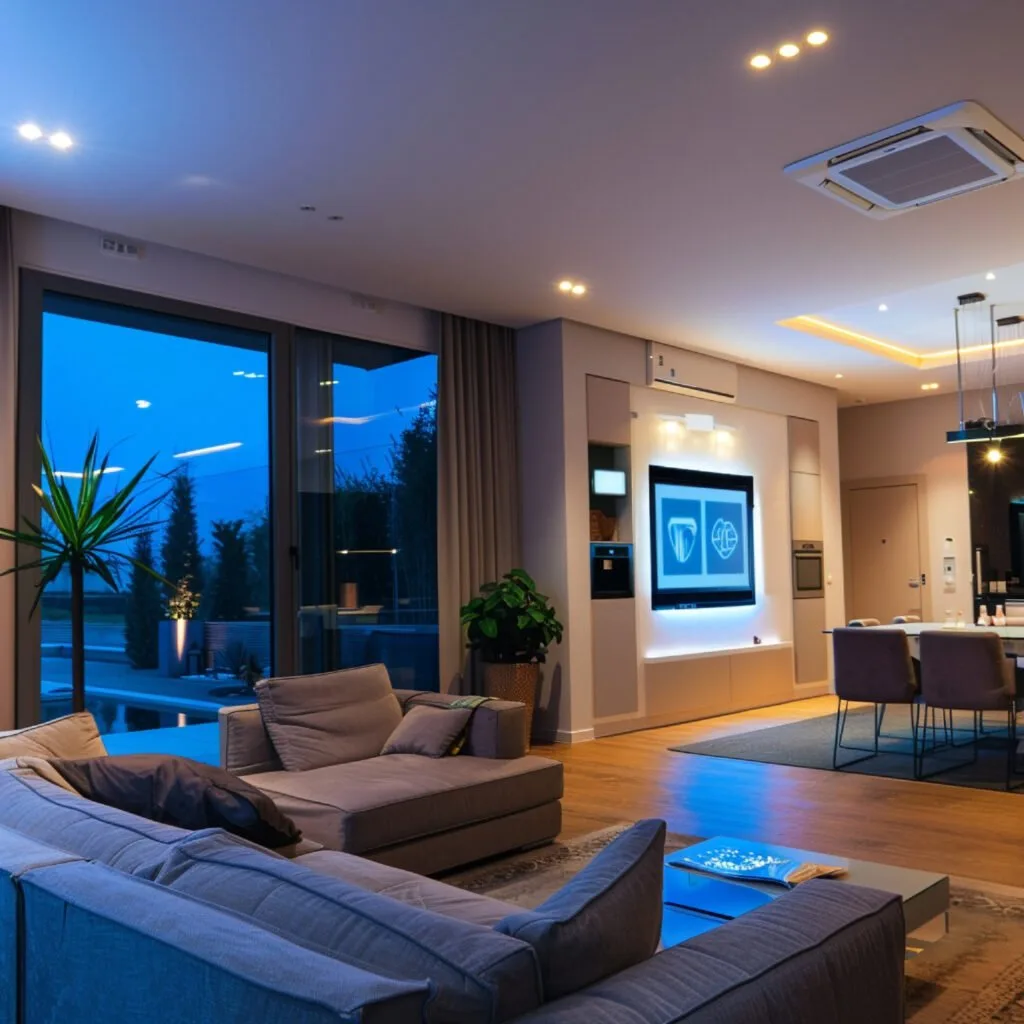
The lighting of a home affects the way the property is perceived. Having a high-end lighting control solution is paramount for any interior designer hoping to make a good impression — but how do you pick the right system for your projects? Here’s how to think through whether Lutron wireless or wired lighting control is the better fit for a design project in Los Angeles, CA.
Wired
A hardwired lighting control system wires all lighting loads to a centralized control panel that’s stored in a closet or utility room. All the wiring is concealed in the walls of your client’s home. Because this installation moves lighting load control from wall boxes to the control panel, interior designers can eliminate banks of switches that cause wall clutter and selectively choose where wall keypads go.
These systems don’t rely on a wireless connection to function and can be integrated into a client’s broader home automation system for reliable control.
Wired systems are a fantastic choice for new builds where the client wants technology integrated from the get-go. However, wired systems are more expensive than wireless alternatives and require working with an integrator like PROJECT: automate at the start of the build process.
Wireless
A wireless lighting control system doesn’t require any wire reruns and works well with a traditional home lighting installation. Wireless light switches, keypads, and dimmers install into existing wall boxes and communicate through a main repeater that can be stored in a closet to minimize clutter that distracts from your interior design.
This setup is more affordable than a wired installation and requires less planning, making it a good choice for clients who decide they want a smart lighting installation after their home build has already started. It’s also more flexible and scalable than a hardwired system, meaning homeowners can make changes down the line without needing to open walls to adjust wiring.
Lutron’s Caséta
Lutron’s Caséta wireless smart dimmers and switches make it easy for clients to intelligently control their lighting. Installation is simple — one kit is all you need, and it takes about fifteen minutes. Unlike smart bulb-based lighting solutions, which can lose power and stop working if a bulb is turned off at the switch, Lutron’s solution keeps the connection intact.
Caséta lighting solutions work with a wide range of smart home brands and integrate seamlessly into a client’s home automation ecosystem. You can schedule lights to adjust throughout the day and create scenes that control multiple lights simultaneously to set the mood for different activities. The Smart Away feature also improves security by turning lights on and off randomly throughout the day to make it appear that someone is home, even when they’re not.
Whether wired or wireless is the right call comes down to the project’s timeline and scope — it’s worth talking through both options with a professional lighting control installer before finalizing a design plan.